
It's a New Day in Public Health.
The Florida Department of Health works to protect, promote, and improve the health of all people in Florida through integrated state, county, and community efforts.
Food Safety and Sanitation
Contact the Food Safety and Sanitation Program
*Note: This page contains materials in the Portable Document Format (PDF). The free Adobe Reader may be required to view these files.

Effective September 26, 2018, Chapter 64E-11, Florida Administrative Code, "Food Hygiene" has been revised.
You may find the updated version using the following link: Updated Chapter 64E-11, Florida Administrative Code
Food Safety and Sanitation Program Resources
Program Forms and Guidance Documents:
Training:
Employee Health:
Other Resources:
No state or federal regulatory agency licenses food operations from your home.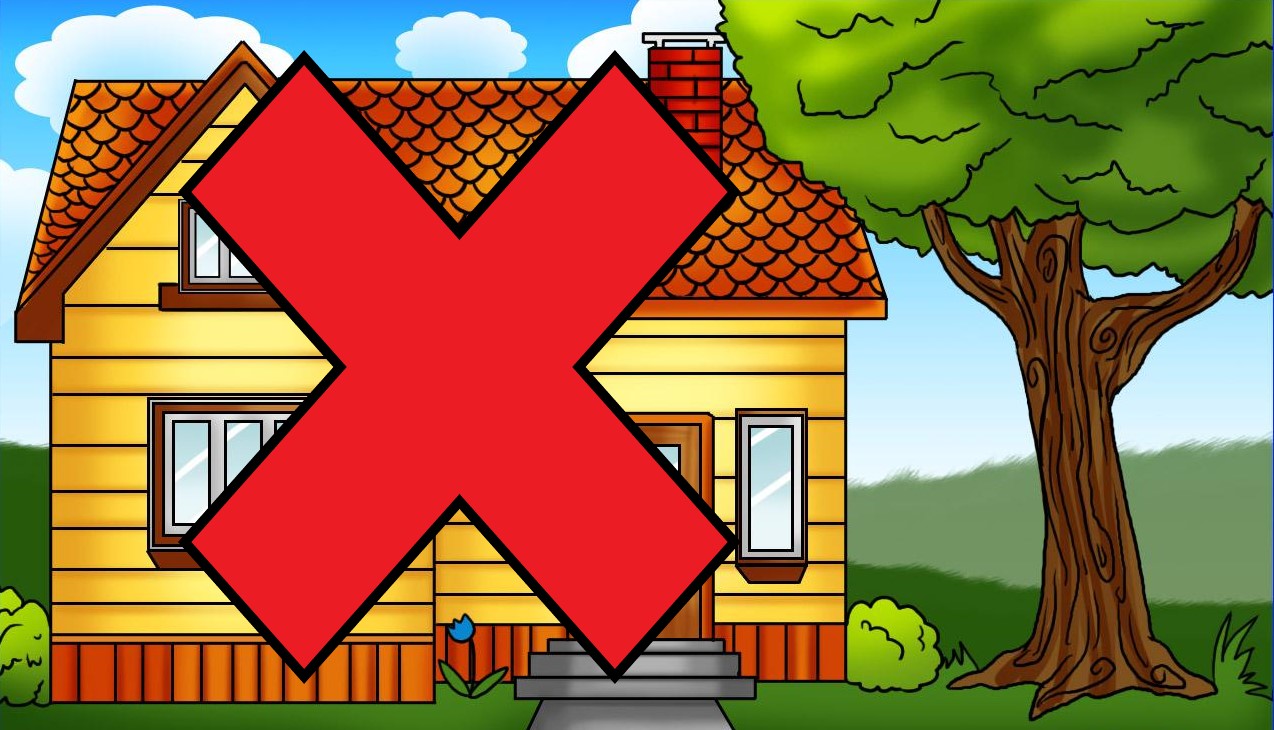
OPENING A FOOD SERVICE BUSINESS
If you are opening a food service establishment, click on the applicable link below for the type of establishment you plan to open.
The Department of Business and Professional Regulation (DBPR) regulates restaurants, mobile food vehicles, caterers, and public food service events. You can reach their Customer Contact Center by calling 850-487-1395, emailing DHR.Info@myfloridalicense.com or file a complaint about a restaurant or another type of DBPR food facility online at: DBPR Online Complaints.
The Florida Department of Agriculture and Consumer Services (FDACS) generally regulates whole-sale food operations, convenience stores, grocery stores, food processing operations, food storage/warehouse operations and non-alcoholic beverage operations (such as juice or smoothie bars and coffee houses). You can reach FDACS by calling 850-245-5520, emailing FoodSafety@FDACS.gov, or file a complaint about a DACS facility or food product online at: FDACS Online Complaint Form.
DEPARTMENT OF HEALTH FOOD SAFETY AND SANITATION PROGRAM
The Department of Health works with food service establishments as defined by Section 381.0072, Florida Statutes to help ensure their products are not a source of foodborne illness. Generally this includes food service operations located in institutional settings (such as schools, assisted living facilities, hospice, detention facilities, adult day cares, in-patient drug, alcohol and mental health facilities etc.), civic and fraternal organizations, bars and lounges that don't prepare time temperature control (potentially hazardous) non-beverage foods, and theaters that limit their food service to items customarily served at theaters (such as beverages, popcorn, hot dogs and nachos). The codes and standards for food service establishments are found in Chapter 64E-11, Florida Administrative Code.
The Department of Health's (DOH) Food Hygiene Inspection Program is risk-based. This means that those facilities that pose a greater risk to the public becoming sick from consuming their product are inspected more often than those that pose a lesser risk. The amount of risk is determined by risk factors. These risk factors include the types of food served, the amount of preparation that is required, the population that is served, and the quantity of food that is prepared. Considering these types of factors are consistent with recommendation from the U.S. Food and Drug Administration. In fact, Annex 5 of the 2013 version of the FDA Model Food Code is devoted to conducting risk-based inspections. High risk facilities are inspected quarterly, which means 4 times per year (or 3 times for schools that close for summer vacation). Moderate risk facilities are inspected semiannually, which means 2 times per year. Low risk facilities are inspected once per year.
Here are some examples:
| Types of Facilities and Food Preparations | Number of Inspections per year |
| A school that prepares their own food | 4 |
| A school that prepares their own food, but is opened for 9 months or less | 3 |
| A school that receives catered meals and does not keep leftovers | 2 |
| A detention facility that receives catered meals, does not keep any food items overnight, nor does any dishwashing | 1 |
County Contacts for Food Safety and Sanitation
The Department maintains inspection data for the above listed establishments.
LINKS FOR OPENING A FOOD SERVICE BUSINESS:
- Institution Such As A School, Assisted Living Facilities, or Jail.
- Bars not preparing food. Civic or Fraternal Organizations
- Restaurant, Mobile Food Vehicle, or Caterer
- Grocery Store, Convenience Store, or Food Processor
- Food Manager Certification
Frequently Asked Questions
CODE AND STATUTES
Chapter 64E-11, Florida Administrative Code (<1 mb PDF)
Section 381.0072, Florida Statutes


Connect with DOH